
Introduction
Research plays an important role in almost every field of life. From education and healthcare to technology, business, and science, researchers depend on accurate information, data analysis, and organized resources to discover new ideas and solve complex problems. Behind many successful studies and projects, there is often a skilled Research Assistant who helps collect information, manage data, review documents, and support researchers throughout the research process.
A Research Assistant is a professional or student who works with researchers, professors, organizations, or companies to help complete research activities. Their responsibilities may include conducting literature reviews, collecting data, preparing reports, analyzing information, organizing research materials, and assisting with experiments or surveys.
With the growth of technology and artificial intelligence, the role of a Research Assistant has changed significantly. Today, research assistants use advanced software, online databases, analytical tools, and digital platforms to improve the speed and accuracy of research work.
This guide explains everything about a Research Assistant, including their duties, skills, career opportunities, education requirements, benefits, and how technology is transforming this important role.
What Is a Research Assistant?
A Research Assistant is someone who provides support to researchers during the process of gathering, analyzing, and presenting information. They usually work under the guidance of a lead researcher, professor, scientist, or project manager.
The main purpose of a Research Assistant is to make research work more efficient by handling important tasks that require attention, organization, and accuracy.
For example, a university professor conducting a scientific study may hire a Research Assistant to collect academic articles, organize survey results, and prepare research documents. Similarly, a company may hire research assistants to analyze market trends and customer behavior.
Research Assistants can work in many different industries, including:
- Universities and colleges
- Medical institutions
- Technology companies
- Government organizations
- Marketing agencies
- Financial companies
- Scientific laboratories
- Non-profit organizations
Role and Importance of a Research Assistant
The role of a Research Assistant is extremely valuable because quality research requires time, patience, and detailed analysis. Researchers often manage multiple responsibilities, and research assistants help reduce their workload.
A Research Assistant helps maintain the quality of research by ensuring that information is collected properly and organized effectively.
Some important reasons why Research Assistants are important include:
1. Saving Research Time
Research projects can involve thousands of documents, studies, and data points. A Research Assistant helps researchers save time by managing repetitive tasks and organizing information.
2. Improving Data Accuracy
Accurate data is essential for successful research. Research assistants carefully collect and verify information to reduce mistakes.
3. Supporting Decision Making
Many organizations use research findings to make important decisions. Research assistants help provide reliable information that supports better planning.
4. Managing Research Resources
Research involves many resources, including books, articles, databases, interviews, and reports. A Research Assistant helps organize these materials.
Common Responsibilities of a Research Assistant
The responsibilities of a Research Assistant depend on their field and project requirements. However, many tasks are common across different industries.
Conducting Literature Reviews
One of the most common duties of a Research Assistant is reviewing existing research. This involves reading academic papers, reports, and articles to understand previous findings.
A literature review helps researchers identify gaps in knowledge and develop better research questions.
Collecting Data
Research assistants often collect information through different methods, such as:
- Online surveys
- Interviews
- Experiments
- Questionnaires
- Observations
- Public databases
Proper data collection is necessary to create reliable research results.
Analyzing Information
After collecting data, Research Assistants may help analyze the information using software tools and statistical methods.
They may work with programs such as spreadsheets, research databases, and data analysis platforms.
Preparing Reports
Research assistants often help create research reports, presentations, and summaries. They organize findings in a clear format so researchers and organizations can understand the results.
Maintaining Research Records
Keeping accurate records is an important part of research. A Research Assistant maintains files, references, notes, and project documentation.
Skills Required to Become a Successful Research Assistant
Becoming a successful Research Assistant requires a combination of technical skills, research abilities, communication skills, and attention to detail. Although educational requirements may vary depending on the industry, having the right skills can significantly improve career opportunities.
1. Research Skills
Strong research skills are one of the most important qualities of a Research Assistant. They need to know how to find reliable information, evaluate sources, and organize research materials.
A good Research Assistant understands how to use:
- Academic databases
- Online libraries
- Research journals
- Government reports
- Industry publications
The ability to identify trustworthy information helps improve the quality of research projects.
2. Data Analysis Skills
Modern research depends heavily on data. A Research Assistant should understand basic data collection and analysis methods.
Important data-related skills include:
- Organizing datasets
- Understanding statistics
- Creating charts and reports
- Identifying patterns
- Interpreting research results
Many Research Assistants use tools such as spreadsheet software, statistical programs, and data visualization platforms to complete their work.
3. Communication Skills
Research Assistants must communicate effectively with researchers, team members, and project managers.
Good communication helps them:
- Understand project instructions
- Present research findings
- Write clear reports
- Explain complex information
Both written and verbal communication skills are valuable in research environments.
4. Attention to Detail
Research often involves handling large amounts of information. Even a small mistake can affect the final results of a study.
A successful Research Assistant pays attention to:
- Data accuracy
- References
- Research methods
- Documentation
- Formatting requirements
Strong attention to detail helps maintain research quality.
5. Technical Skills
Technology has become an essential part of modern research. Research Assistants often need basic knowledge of digital tools.
Useful technical skills include:
- Data management software
- Research databases
- Document management systems
- Statistical analysis tools
- Artificial intelligence research tools
As technology continues to develop, digital skills are becoming increasingly important for research professionals.
Types of Research Assistants
Research Assistants work in different fields, and their responsibilities change depending on their area of specialization.
Academic Research Assistant
An Academic Research Assistant usually works with professors, universities, or educational institutions.
Their tasks may include:
- Reviewing academic papers
- Supporting university research projects
- Collecting educational data
- Preparing research materials
Many graduate and undergraduate students work as academic research assistants to gain experience.
Medical Research Assistant

A Medical Research Assistant supports healthcare researchers, hospitals, and laboratories.
Their responsibilities may include:
- Collecting health-related data
- Supporting clinical studies
- Managing patient research information
- Preparing medical reports
Medical research assistants play an important role in improving healthcare knowledge and treatments.
Market Research Assistant
A Market Research Assistant helps businesses understand customers, competitors, and market trends.
Their work may include:
- Studying consumer behavior
- Collecting customer feedback
- Analyzing market reports
- Supporting business strategies
Companies use market research to make better decisions about products and services.
Scientific Research Assistant
Scientific Research Assistants work in laboratories and research organizations.
They may assist with:
- Laboratory experiments
- Scientific observations
- Sample collection
- Research documentation
Scientific research assistants contribute to discoveries in areas such as biology, chemistry, physics, and environmental science.
Legal Research Assistant
A Legal Research Assistant supports lawyers, law firms, and legal organizations.
Their responsibilities may include:
- Searching legal documents
- Reviewing case information
- Preparing legal summaries
- Organizing legal references
Strong reading and analytical skills are important for this role.
AI Research Assistant: The Future of Research
Artificial intelligence has introduced a new type of research support known as an AI Research Assistant. These digital tools help users complete research tasks faster by processing information, summarizing documents, and assisting with data analysis.
An AI Research Assistant can help with:
- Finding research topics
- Summarizing articles
- Organizing information
- Generating ideas
- Improving research productivity
However, human researchers remain essential because they provide critical thinking, judgment, creativity, and ethical decision-making.
AI tools work best when combined with human expertise.
Benefits of Working as a Research Assistant
A career as a Research Assistant provides many professional and personal benefits.
1. Gaining Valuable Experience
Research assistant positions allow individuals to gain practical experience in their chosen field.
Students can develop professional skills while working on real projects.
2. Building Professional Networks
Research Assistants often work with experienced professionals, professors, scientists, and industry experts.
These connections can create future career opportunities.
3. Improving Knowledge
Research work exposes assistants to new information, technologies, and ideas.
It helps individuals develop deeper knowledge in their area of interest.
4. Career Growth Opportunities
Many Research Assistants continue their careers as:
- Researchers
- Data Analysts
- Scientists
- Professors
- Consultants
- Project Managers
The experience gained as a Research Assistant can open many career paths.
How to Become a Research Assistant
Becoming a Research Assistant usually requires education, skills, and practical experience.
Step 1: Choose a Research Field
The first step is deciding which area of research interests you.
Examples include:
- Education
- Technology
- Healthcare
- Business
- Science
- Psychology
Choosing a specific field helps you develop relevant skills.
Step 2: Complete Relevant Education
Many Research Assistant positions require a bachelor’s degree or higher education.
Common educational backgrounds include:
- Science
- Computer Science
- Business
- Social Sciences
- Medicine
- Engineering
Some entry-level positions may also be available for students currently studying in related fields.
Step 3: Develop Research Skills
Learning research methods is essential.
Important areas to study include:
- Data collection methods
- Academic writing
- Statistical analysis
- Research ethics
- Information management
Step 4: Gain Experience
Experience can be gained through:
- University projects
- Internships
- Volunteer research work
- Online research projects
Practical experience makes candidates more competitive.
Step 5: Apply for Research Assistant Positions
Research Assistant jobs can be found through:
- University career websites
- Research organizations
- Company job boards
- Professional networking platforms
A strong resume highlighting research skills can improve employment chances.
Frequently Asked Questions (FAQs) About Research Assistant
1. What is a Research Assistant?
A Research Assistant is a person who helps researchers, professors, companies, or organizations with research-related tasks. Their work may include collecting data, reviewing information, analyzing results, preparing reports, and organizing research materials.
2. What does a Research Assistant do?
A Research Assistant performs different tasks depending on the research field. Common responsibilities include conducting literature reviews, collecting data, managing research documents, analyzing information, preparing presentations, and supporting research projects.
3. What skills are needed to become a Research Assistant?
A successful Research Assistant needs skills such as research ability, data analysis, communication, organization, critical thinking, attention to detail, and basic technical knowledge. Familiarity with research tools and software can also be helpful.
4. Can students become Research Assistants?
Yes, students can become Research Assistants, especially those studying at colleges or universities. Many students work as research assistants to gain practical experience, improve their academic knowledge, and build professional skills.
5. What qualifications are required for a Research Assistant?
The qualifications for a Research Assistant depend on the job and industry. Many positions require a bachelor’s degree in a related field, while some entry-level opportunities are available for students with relevant skills and research experience.
6. Where do Research Assistants work?
Research Assistants can work in many places, including universities, laboratories, healthcare organizations, technology companies, government agencies, research institutes, and private businesses.
7. What is an AI Research Assistant?
An AI Research Assistant is a technology-based tool that helps users with research tasks using artificial intelligence. It can assist with finding information, summarizing documents, organizing ideas, and improving research productivity.
8. How can a Research Assistant help researchers?
A Research Assistant helps researchers by saving time, organizing information, collecting accurate data, managing resources, and supporting different stages of the research process.
9. Is a Research Assistant a good career option?
Yes, becoming a Research Assistant can be a good career choice for people interested in learning, analysis, and discovery. It provides valuable experience and can lead to careers in research, education, technology, healthcare, and other industries.
10. What tools do Research Assistants use?
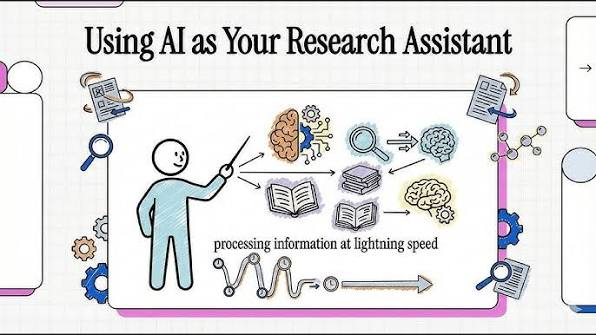
Research Assistants use various tools, including academic databases, spreadsheet software, reference management tools, statistical programs, online research platforms, and AI-powered research tools.
Conclusion
A Research Assistant plays an important role in supporting research, improving knowledge, and helping organizations make better decisions. From collecting information and analyzing data to preparing reports and managing research materials, research assistants contribute valuable support to different types of projects.
In today’s fast-changing world, the demand for skilled Research Assistants is increasing because businesses, universities, healthcare organizations, and technology companies rely on accurate research to solve problems and create new opportunities. A person with strong research skills, analytical thinking, communication abilities, and technical knowledge can build a successful career in this field.
The development of artificial intelligence has also transformed the role of Research Assistants. Modern AI-powered research tools can help with information gathering, document analysis, and productivity improvement. However, human skills such as critical thinking, creativity, ethical understanding, and decision-making remain essential for high-quality research.
For students and professionals, becoming a Research Assistant can be a valuable step toward gaining practical experience and developing expertise in a chosen field. It provides opportunities to work with experts, learn new concepts, and contribute to meaningful discoveries.
The future of Research Assistants looks promising as research continues to become more important across industries. Whether in education, science, technology, healthcare, or business, Research Assistants will continue to support innovation and help transform ideas into valuable results.
Overall, a Research Assistant is more than just a support role; it is a key position that connects information, technology, and human knowledge to create better solutions for the future.