Introduction to Smart Education
Education has always been one of the most important foundations of human development. Over the years, the way people learn has changed dramatically. From traditional classrooms with blackboards and textbooks to digital classrooms, online courses, and artificial intelligence-powered learning systems, education continues to evolve.
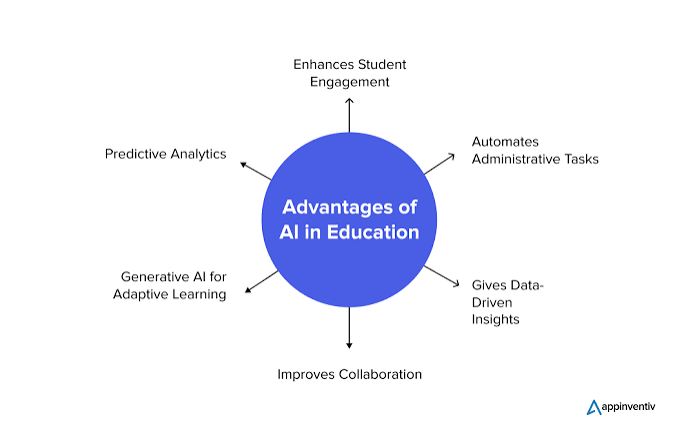
Smart Education is the modern approach to learning that combines advanced technology, digital resources, artificial intelligence, data analysis, and innovative teaching methods to create a more effective and personalized learning experience.
Unlike traditional education systems that follow the same learning method for every student, smart education focuses on individual needs. It helps students learn at their own pace, understand difficult concepts easily, and access knowledge from anywhere in the world.
The rise of smart education has changed the role of teachers and students. Teachers are no longer only sources of information; they are becoming guides who use technology to support student growth. Students are becoming active learners who can explore knowledge beyond the limits of a classroom.
Today, smart education is becoming an essential part of schools, universities, online learning platforms, and professional training programs. With the help of artificial intelligence, virtual classrooms, smart devices, and educational software, learning has become more interactive, accessible, and engaging.
What Is Smart Education?
Smart education refers to a technology-based learning system that uses modern tools to improve the quality, accessibility, and effectiveness of education.
It combines several technologies, including:
- Artificial Intelligence (AI)
- Machine Learning
- Online Learning Platforms
- Virtual Reality (VR)
- Augmented Reality (AR)
- Cloud Computing
- Data Analytics
- Smart Classrooms
- Educational Applications
The main purpose of smart education is to create a learning environment where students receive personalized support according to their abilities, interests, and learning speed.
For example, in a traditional classroom, a teacher may explain one topic to 30 or 40 students using the same method. However, every student has different learning abilities. Some students understand quickly, while others need additional explanation.
Smart education solves this problem by using technology to analyze student performance and provide customized learning experiences.
Importance of Smart Education in Modern Learning
The importance of smart education is increasing because the world is becoming more digital every day. Students today need skills that go beyond traditional knowledge. They need creativity, problem-solving abilities, digital literacy, and the ability to adapt to new technologies.
Smart education helps students develop these skills by providing access to:
1. Personalized Learning Experience
One of the biggest advantages of smart education is personalized learning.
Every student has a different learning style. Some students prefer visual learning, while others learn better through reading, practice, or interactive activities.
Smart education systems analyze student behavior and provide learning materials based on individual needs.
For example:
- A student struggling with mathematics can receive additional practice exercises.
- A student who learns quickly can access advanced topics.
- Students can repeat lessons until they fully understand concepts.
This makes learning more effective and reduces the pressure on students.
2. Easy Access to Knowledge
Smart education removes geographical barriers. Students can access educational content from anywhere with an internet connection.
Online courses, digital libraries, video lessons, and educational applications allow learners to study anytime and anywhere.
A student living in a remote area can now learn from experts and institutions around the world without physically traveling.
This accessibility creates more opportunities for students who previously had limited educational resources.
3. Better Engagement Through Technology
Traditional learning methods can sometimes become boring for students. Smart education uses interactive tools to make learning more interesting.
Examples include:
- Educational games
- Interactive quizzes
- Virtual experiments
- Animated explanations
- Digital simulations
These methods help students stay engaged and improve their understanding of complex subjects.
Role of Artificial Intelligence in Smart Education
Artificial Intelligence has become one of the most powerful technologies supporting smart education.
AI helps educational systems understand student needs, automate tasks, and provide intelligent learning assistance.
AI-Based Learning Assistants
AI-powered learning assistants can answer student questions, explain difficult topics, and provide guidance.
Students can use AI tools for:
- Research assistance
- Writing support
- Language learning
- Problem-solving
- Exam preparation
These tools act like digital tutors that are available anytime.
AI-Powered Personalized Recommendations
AI systems can analyze student performance and recommend suitable learning materials.
For example, if a student has difficulty understanding a science topic, an AI system can suggest:
- Beginner explanations
- Additional videos
- Practice questions
- Related topics
This improves learning outcomes and helps students overcome weaknesses.
Automated Assessment Systems
Smart education also improves the assessment process.
AI-based systems can evaluate quizzes, assignments, and tests quickly. They can identify student strengths and weaknesses and provide feedback.
This saves teachers time and allows them to focus more on teaching and student support.
Benefits of Smart Education
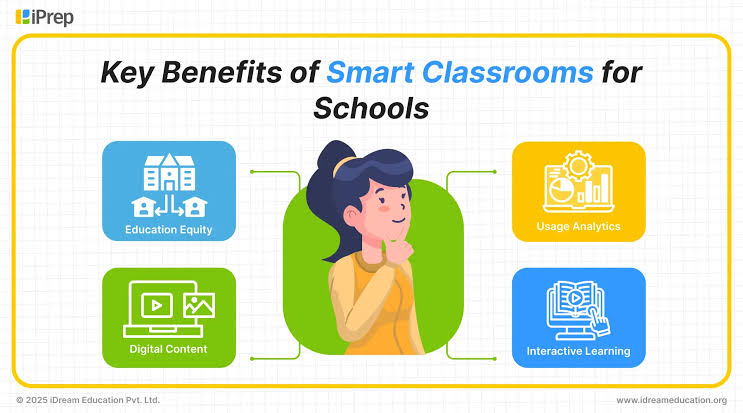
Smart education provides many benefits for students, teachers, educational institutions, and society.
Benefits for Students
- Flexible learning opportunities
- Personalized education
- Better understanding of subjects
- Access to global resources
- Improved digital skills
- Increased confidence
Benefits for Teachers
- Easier lesson planning
- Better student tracking
- Automated grading support
- Access to teaching resources
- Improved classroom management
Benefits for Institutions
- Better educational quality
- Improved student performance
- More efficient management systems
- Modern learning environments
Smart Classrooms: The Heart of Smart Education
A smart classroom is one of the most important elements of smart education. It uses advanced technology to improve the teaching and learning process. Unlike traditional classrooms, smart classrooms provide interactive and digital experiences that help students understand concepts more effectively.
A smart classroom may include:
- Interactive digital boards
- Projectors
- Educational software
- Online learning systems
- Digital textbooks
- Artificial intelligence tools
- Virtual learning environments
These technologies allow teachers to present information in a more attractive and understandable way.
For example, instead of reading about the solar system from a textbook, students can explore planets through a virtual reality experience. Instead of memorizing historical events, they can watch interactive timelines and digital presentations.
Smart classrooms make education more practical, engaging, and enjoyable.
How Smart Education Improves Teaching Methods
The role of teachers is changing because of smart education. Technology does not replace teachers; instead, it gives them better tools to support students.
Traditional teaching often depends on lectures and textbooks. Smart education introduces new teaching methods that encourage creativity, collaboration, and critical thinking.
Interactive Teaching
Interactive teaching allows students to participate actively during lessons.
Teachers can use:
- Online polls
- Digital activities
- Educational videos
- Group collaboration tools
- Interactive assignments
When students participate actively, they develop a deeper understanding of subjects.
Data-Based Teaching Decisions
Smart education systems collect information about student performance. Teachers can use this data to understand:
- Which topics students find difficult
- Which students need extra support
- How learning progress is improving
This allows teachers to make better decisions and create effective teaching strategies.
Digital Learning Platforms and Smart Education
Digital learning platforms have become a major part of modern education. These platforms provide courses, study materials, assignments, and communication tools in one place.
Students can learn subjects such as:
- Mathematics
- Science
- Programming
- Languages
- Business
- Technology
- Professional skills
Online learning platforms support both school education and lifelong learning.
The biggest advantage of digital learning platforms is flexibility. Students can study according to their own schedule and learning speed.
The Role of Mobile Technology in Smart Education
Mobile devices have changed the way people access education. Smartphones and tablets allow students to carry learning resources everywhere.
Educational mobile applications provide:
- Video lessons
- Digital notes
- Practice exercises
- Language learning tools
- Online classrooms
- AI-based learning support
Mobile learning is especially helpful for students who do not have access to traditional educational facilities.
Virtual Reality and Augmented Reality in Education
Virtual Reality (VR) and Augmented Reality (AR) are emerging technologies that are improving smart education.
These technologies create realistic learning experiences.
For example:
- Medical students can practice surgeries in virtual environments.
- Geography students can explore different locations digitally.
- History students can experience ancient civilizations through virtual tours.
- Science students can perform virtual experiments.
VR and AR make learning more practical and help students remember information for longer periods.
Cloud Technology in Smart Education
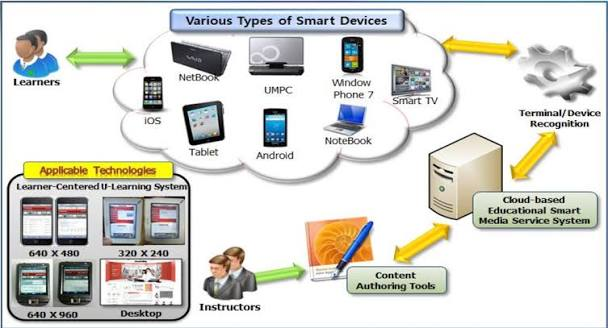
Cloud technology allows educational information to be stored and accessed online.
Students and teachers can access:
- Digital books
- Assignments
- Research materials
- Classroom documents
- Learning applications
Cloud-based education systems improve collaboration between students and teachers.
A student can complete an assignment from home, submit it online, and receive feedback digitally.
Smart Education and Student Success
Smart education plays an important role in improving student success.
When students receive learning materials according to their abilities, they become more confident and motivated.
Some ways smart education improves success include:
Better Understanding
Technology can explain difficult topics through videos, animations, and interactive examples.
Faster Learning
Students can quickly find information and practice skills through digital tools.
Continuous Improvement
AI systems can track progress and suggest improvements.
Increased Motivation
Interactive learning methods make students more interested in education.
Challenges of Smart Education
Although smart education offers many advantages, it also has some challenges.
1. Digital Access Problems
Not every student has equal access to:
- Internet connections
- Computers
- Smartphones
- Digital learning tools
This digital gap can create differences between students.
2. Technology Costs
Implementing smart education requires investment in:
- Hardware
- Software
- Teacher training
- Internet infrastructure
Some schools and institutions may find these costs challenging.
3. Need for Teacher Training
Teachers need proper training to use modern educational technologies effectively.
Without training, technology may not provide the expected benefits.
4. Data Privacy Concerns
Smart education systems collect student information to improve learning experiences.
Protecting student data and maintaining privacy is an important responsibility for educational institutions.
Future of Smart Education
The future of education will become more connected, personalized, and technology-driven.
Several trends will shape the future of smart education:
Artificial Intelligence Tutors
AI tutors will provide personalized guidance to students anytime. They will help learners understand difficult concepts and practice skills.
Personalized Education Systems
Future education systems will create unique learning paths for every student based on their abilities and interests.
Global Digital Classrooms
Students from different countries will be able to learn together through online platforms and virtual classrooms.
Advanced Learning Analytics
Educational institutions will use data analysis to improve teaching methods and student performance.
Smart Education and Career Development
Smart education is not only useful for school and university students; it also supports professional development.
People can use smart learning systems to develop skills in:
- Technology
- Artificial Intelligence
- Communication
- Business
- Programming
- Digital Marketing
- Creative fields
Continuous learning has become important because industries are changing rapidly.
Smart education helps individuals stay updated and competitive in the modern job market.
Frequently Asked Questions (FAQs) About Smart Education
1. What is smart education?
Smart education is a modern learning approach that uses technologies like artificial intelligence, digital platforms, online resources, and smart classrooms to improve the learning experience and provide personalized education.
2. How does smart education help students?
Smart education helps students learn at their own pace, access global learning resources, understand difficult topics easily, and improve their skills through interactive tools and personalized learning methods.
3. What technologies are used in smart education?
Smart education uses technologies such as artificial intelligence, virtual reality, augmented reality, cloud computing, learning applications, digital classrooms, and data analytics.
4. Is smart education better than traditional education?
Smart education provides more flexibility, personalization, and interactive learning opportunities. However, traditional education and smart education can work together to create a balanced learning environment.
5. What is the future of smart education?
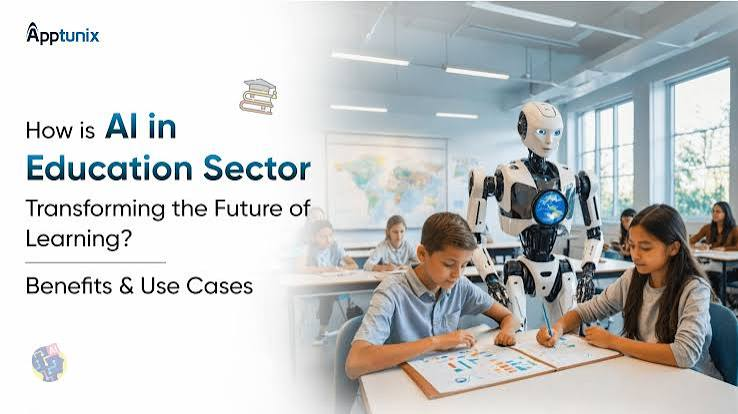
The future of smart education will include advanced AI tutors, personalized learning systems, virtual classrooms, and more technology-based solutions that make education accessible and effective for everyone.
Conclusion
Smart education is transforming the future of learning by combining technology, artificial intelligence, and innovative teaching methods. It provides students with personalized learning experiences, easy access to knowledge, and better opportunities for skill development. As technology continues to grow, smart education will play a major role in creating a more effective, flexible, and accessible education system worldwide.