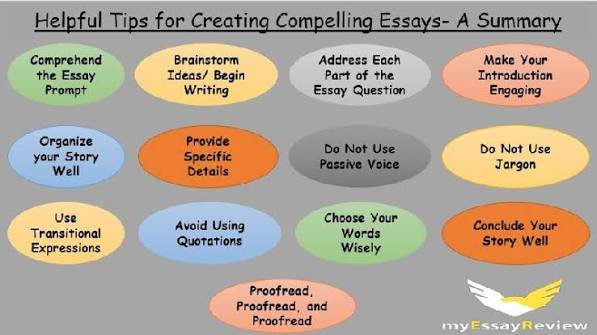
Essay writing is an important skill for students at almost every stage of education. Whether you are in school, college, or university, you may be asked to write essays for homework, assignments, exams, applications, or research projects. A good essay does more than simply present information. It shows how well you understand a topic, organize your thoughts, explain your ideas, and communicate with your readers.
For many students, starting an essay can feel difficult. They may have good ideas but do not know how to organize them. Others may struggle with introductions, choosing the right words, or creating a strong conclusion. The good news is that essay writing becomes much easier when you understand the basic structure and follow a clear process.
What Is Essay Writing?
Essay writing is the process of presenting ideas, information, opinions, or arguments about a particular topic in a structured form. An essay usually contains an introduction, several body paragraphs, and a conclusion.
The purpose of an essay depends on the assignment. Some essays explain a subject, while others compare different ideas, discuss a problem, or persuade readers to accept a particular viewpoint. Understanding the purpose before you begin can help you decide what information to include and how to present it.
A successful essay should be clear, relevant, organized, and easy to follow. Each paragraph should have a purpose, and the ideas should connect naturally from one point to the next.
Why Is Essay Writing Important for Students?
Essay writing helps students develop several useful academic and practical skills. One of the most important is critical thinking. When students write an essay, they need to examine information, decide which points are important, and sometimes evaluate different opinions.
Writing also improves communication skills. Students learn how to explain complicated ideas in a simple and understandable way. These skills can be useful not only in education but also in professional life.
Another benefit is better research ability. Many essays require students to find reliable information, understand different sources, and use evidence to support their ideas. Over time, this process can make students more confident when working with information.
Understand the Essay Topic First
One of the biggest mistakes students make is beginning to write before fully understanding the question. Before creating an outline, read the essay prompt carefully.
Look for important instruction words such as “explain,” “compare,” “analyze,” “discuss,” or “evaluate.” Each word can require a different approach.
For example, an essay asking you to compare two subjects should focus on similarities and differences. An analytical essay, however, usually requires you to examine a topic in greater depth and explain why something happens or what it means.
If the topic is unclear, spend a few minutes researching its basic meaning before writing. A clear understanding of the question can save considerable time later.
Create an Essay Outline
An outline is one of the simplest ways to make essay writing easier. It allows you to organize your thoughts before turning them into complete paragraphs.
A basic outline can include three main sections:
- Introduction
- Body paragraphs
- Conclusion
Under each section, write the main points you want to discuss. You do not need to write complete sentences at this stage. Short notes are usually enough.
For example, if you are writing about the benefits of online education, your outline might include flexible learning, access to resources, lower travel requirements, and challenges related to motivation.
An outline prevents your essay from becoming a collection of unrelated ideas. It also helps you notice missing information before you begin writing.
How to Write a Strong Introduction
The introduction is the first part of your essay, so it should give readers a clear idea of what they are about to read. A good introduction usually contains three important elements: background information, the main topic, and a thesis statement.
Start with a sentence that introduces the subject. Then provide enough background to help the reader understand the context. Finally, explain the central point or argument of your essay.
The thesis statement is particularly important. It tells readers what your essay is mainly about and often presents the position you will support throughout the essay.
Avoid making the introduction unnecessarily long. Its job is to introduce the topic and prepare readers for the discussion that follows.
Focus on Strong Body Paragraphs
The body of an essay contains the main discussion. Each paragraph should generally focus on one major idea.
A useful paragraph structure is:
- Topic sentence
- Explanation
- Evidence or example
- Analysis
- Link to the next idea
The topic sentence introduces the paragraph’s main point. The following sentences explain that point in more detail. Evidence, examples, facts, or relevant observations can then support the idea.
However, simply adding evidence is not enough. Students should explain why the evidence matters and how it supports the overall argument.
Try to avoid paragraphs that contain several unrelated ideas. Keeping each paragraph focused makes the essay easier to understand.
Use Evidence Effectively
Evidence can make an essay more convincing and informative. Depending on the assignment, evidence may include research findings, statistics, examples, expert opinions, historical information, or information from academic sources.
Students should always consider the quality of their sources. Not every website contains accurate or reliable information. When researching, look for trustworthy sources and check important claims against more than one source when possible.
If an assignment requires citations, follow the required citation style carefully. Common academic styles include APA, MLA, and Chicago, although institutions may have their own requirements.
Good evidence should support your argument rather than replace your own explanation. Your writing should show that you understand the information and can connect it to your topic.
Make Your Writing Clear and Natural
Strong essay writing does not require complicated vocabulary in every sentence. In fact, using unnecessarily difficult words can make your writing harder to understand.
Choose words that accurately express your meaning. Keep sentences reasonably clear and vary sentence length so the writing does not sound repetitive.
For example, instead of using a long sentence with several ideas, divide it into two sentences when appropriate. This can improve readability and make your argument easier to follow.
Transitions are also useful. Words and phrases such as “however,” “in addition,” “for example,” “as a result,” and “on the other hand” can help connect ideas naturally.
Avoid Common Essay Writing Mistakes
Several mistakes appear frequently in student essays. One is going off-topic. Even if a piece of information is interesting, it should not be included unless it helps answer the essay question.
Another common problem is repetition. Repeating the same idea in different words does not make an essay stronger. Instead, use each paragraph to add something new.
Students should also avoid unsupported claims. If you make an important factual statement, consider whether it needs evidence or a citation.
Grammar and spelling errors can also affect the quality of an essay. A final proofreading session can identify many simple mistakes that are easy to fix.
How to Write a Good Conclusion
The conclusion brings the essay to an end. It should not simply repeat the introduction word for word. Instead, it should summarize the main ideas and reinforce the central message.
Start by briefly reviewing the key points discussed in the body paragraphs. Then return to the main argument or thesis and show how the discussion supports it.
A strong conclusion can also leave the reader with a final thought about the wider importance of the topic. However, avoid introducing completely new arguments or evidence at the very end.
Proofread Before Submitting
Never assume that an essay is finished immediately after writing the final sentence. Proofreading is an important part of the writing process.
Read the essay slowly and look for spelling, grammar, punctuation, and formatting problems. Check whether every paragraph supports the topic and whether the ideas flow logically.
It can also help to read the essay aloud. When you hear your sentences, awkward wording and repeated phrases can become easier to notice.
If possible, take a short break before proofreading. Looking at your work with fresh eyes can help you identify mistakes that you missed while writing.
Can Students Use AI Tools for Essay Writing?
AI tools can be useful for students when they are used responsibly. For example, students may use them to understand difficult concepts, brainstorm possible topics, create study questions, improve grammar, or identify areas where their writing needs improvement.
However, students should not depend entirely on AI to complete academic work. An essay submitted as a student’s own work should reflect that student’s understanding and follow the academic integrity rules of their school or university.
A useful approach is to treat AI as a learning assistant rather than a replacement for thinking. Students can develop their own ideas, conduct appropriate research, write their work, and then use available tools to review or improve their understanding.
Always follow your institution’s rules regarding AI use, citations, and academic honesty.
Final Tips for Better Essay Writing
Improving essay writing takes practice. You do not need to become an excellent writer overnight. Start by focusing on a few important habits.
First, understand the question before writing. Second, create a simple outline. Third, keep each paragraph focused on one main idea. Fourth, support important points with appropriate evidence. Finally, leave enough time to proofread your work.
It is also useful to read well-written articles, essays, and books. Reading exposes students to different sentence structures, vocabulary, arguments, and writing styles. With regular practice, students can gradually develop a stronger personal writing style.
Frequently Asked Questions About Essay Writing
1. What is essay writing?
Essay writing is the process of presenting ideas, information, opinions, or arguments about a specific topic in an organized written format. A typical essay includes an introduction, body paragraphs, and a conclusion.
2. Why is essay writing important for students?
Essay writing helps students improve their communication, research, critical thinking, grammar, and organization skills. It also teaches students how to explain ideas clearly and support their opinions with relevant evidence.
3. How do I start writing an essay?
Start by carefully reading the essay question and understanding what it requires. Then research the topic, collect useful ideas, create a simple outline, and develop a clear thesis statement before writing the introduction.
4. What are the main parts of an essay?
The three main parts of an essay are the introduction, body, and conclusion. The introduction presents the topic and thesis, the body paragraphs explain and support the main ideas, and the conclusion summarizes the discussion.
5. How can I make my essay better?
You can improve your essay by organizing your ideas clearly, using reliable evidence, writing focused paragraphs, using appropriate transitions, and proofreading your work before submission. Reading your essay aloud can also help you find awkward sentences and errors.
6. How long should a student essay be?
The length of an essay depends on the assignment and educational level. Some assignments may require a few hundred words, while college and university essays may be much longer. Students should always follow the word count given by their teacher or institution.
7. Can AI tools help with essay writing?
AI tools can help students brainstorm ideas, understand difficult topics, improve grammar, and organize information. However, students should use AI responsibly, verify information, and follow their school’s rules about AI and academic integrity.
8. What are the most common essay writing mistakes?
Common mistakes include misunderstanding the topic, having a weak thesis statement, poor organization, repeating ideas, using unreliable sources, making unsupported claims, and failing to proofread. Planning and reviewing the essay can help avoid many of these problems.
Conclusion
Essay writing is a skill that students can improve with the right approach and consistent practice. A successful essay begins with a clear understanding of the topic and develops through good planning, organized paragraphs, relevant evidence, and careful proofreading.
The goal is not to use the most complicated language or write the longest possible essay. The goal is to communicate ideas clearly and support them logically. By creating outlines, writing focused paragraphs, using reliable information, and reviewing their work before submission, students can become more confident and effective writers.
Whether you are preparing a classroom assignment, a college paper, or an academic project, the basic principles remain similar. Start with a clear purpose, organize your ideas, explain your points carefully, and always take time to improve the final draft. With practice, essay writing can become less stressful and much more manageable.