
Introduction: The New Era of Learning With Student AI
Education has always evolved with technology. From printed textbooks to online courses, digital classrooms, and mobile learning apps, every generation of students has experienced new tools that changed how knowledge is created and shared. Today, one of the biggest transformations in education is powered by artificial intelligence.
Student AI is becoming one of the most important technologies for modern learners. It helps students understand difficult concepts, organize their studies, improve writing skills, prepare for exams, and develop new abilities faster than ever before. Artificial intelligence is no longer limited to scientists, programmers, or large companies. It is now available to students around the world through smart learning platforms, AI assistants, educational apps, and digital tools.
For students, AI can act like a personal learning partner. It can explain complex topics in simple language, provide examples, suggest study methods, and help learners practice their skills. Whether a student is in school, college, university, or taking online courses, Student AI tools can make learning more personalized and efficient.
However, using AI in education requires responsibility. Students need to understand how to use artificial intelligence as a learning assistant rather than a replacement for their own thinking. The best results come when students combine AI technology with curiosity, creativity, critical thinking, and genuine effort.
This complete guide explains what Student AI is, how it works, its benefits, the best ways students can use it, challenges, future trends, and how artificial intelligence is shaping the future of education.
What Is Student AI?
Student AI refers to artificial intelligence technologies designed to support students in their educational journey. These tools use machine learning, natural language processing, and data analysis to provide personalized assistance for learning activities.
Unlike traditional educational resources that provide the same information to every learner, AI-powered student tools can adapt according to individual needs. They can analyze questions, understand learning patterns, and provide responses based on a student’s level of knowledge.
For example, if a student struggles with mathematics, an AI learning assistant can explain formulas step by step, provide practice questions, and identify areas where improvement is needed. If another student wants to improve writing skills, AI can suggest grammar corrections, structure improvements, and ideas for better communication.
Student AI can be used for many academic tasks, including:
- Understanding difficult subjects
- Creating study plans
- Summarizing chapters
- Practicing languages
- Improving writing
- Preparing presentations
- Generating study questions
- Reviewing notes
- Learning coding skills
- Managing academic schedules
The purpose of Student AI is not to replace teachers or traditional education. Instead, it provides additional support that helps students learn more effectively.
Why Student AI Is Becoming Popular Among Learners
The popularity of Student AI has increased because students face many challenges in modern education. They often need to manage multiple subjects, complete assignments, prepare for exams, and learn new skills while dealing with limited time.
Traditional learning methods are valuable, but they may not always provide instant support when students need help. A teacher may have many students and limited time for individual explanations. Books and online resources may contain information but do not always answer personal questions.
AI solves some of these challenges by offering immediate assistance.
1. Personalized Learning Experience
Every student learns differently. Some students understand concepts quickly, while others need additional explanations and examples. Student AI can adjust learning materials according to a student’s needs.
A beginner can receive simple explanations, while an advanced learner can explore deeper concepts. This personalized approach makes learning more comfortable and effective.
2. Instant Access to Learning Support
Students often study outside classroom hours. AI tools are available anytime, allowing learners to ask questions whenever they need help.
Whether studying late at night before an exam or reviewing a topic during free time, students can access educational support instantly.
3. Better Time Management
Many students struggle with organizing their academic responsibilities. AI-powered planning tools can help create schedules, set reminders, and suggest efficient study routines.
Better organization allows students to spend more time learning and less time managing tasks.
4. Improved Understanding of Complex Topics
Some subjects can be difficult without additional explanations. AI can simplify complicated ideas by breaking them into smaller parts.
For example, a student studying biology can ask AI to explain a scientific process in beginner-friendly language. A programming student can request explanations of coding errors and possible solutions.
How Student AI Works
Understanding how Student AI works helps students use it effectively.
Artificial intelligence systems analyze information using advanced algorithms. They are trained on large amounts of data and learn patterns in language, images, numbers, and other information.
When a student asks a question, an AI system processes the request, identifies the meaning, and generates a response based on its training and available information.
Several technologies make Student AI possible:
Natural Language Processing (NLP)
Natural Language Processing allows AI systems to understand and respond to human language. This technology enables students to communicate with AI using normal conversations.
Students do not need advanced technical knowledge. They can simply ask questions in everyday language.
Machine Learning
Machine learning allows AI systems to improve their performance by recognizing patterns from data. Educational AI platforms use machine learning to provide better recommendations and learning experiences.
Data Analysis
AI can analyze learning activities, such as quiz results, study habits, and progress reports. This information can help identify strengths and areas that need improvement.
Benefits of Student AI for Education
Student AI provides many advantages when used correctly. It can support academic growth, improve productivity, and make learning more accessible.
1. AI as a Personal Tutor
One of the biggest advantages of Student AI is its ability to provide tutoring support.
Students can ask questions, request explanations, and practice skills without feeling embarrassed about making mistakes. AI provides a private learning environment where students can learn at their own pace.
A student who needs extra help with algebra, grammar, chemistry, history, or programming can use AI as additional support alongside teachers and textbooks.
2. Faster Research and Information Organization
Research assignments often require students to collect information from different sources. AI can help organize ideas, summarize information, and suggest areas for further research.
Students can use AI to understand topics before starting deeper research.
3. Improved Writing Skills
Writing is an important skill for students at every level. AI tools can help improve:
- Grammar
- Sentence structure
- Vocabulary
- Organization
- Clarity
- Writing style
Instead of simply copying AI-generated content, students can use AI feedback to become better writers.
4. Exam Preparation Support

Preparing for exams requires planning and practice. Student AI can generate practice questions, explain important concepts, and create revision plans.
Students can use AI to identify weak areas and focus their preparation.
5. Accessibility for Different Learners
AI can make education more accessible. Students who face learning challenges or language barriers can use AI tools for additional explanations and support.
For example, students learning in a second language can ask AI to simplify text or explain unfamiliar words.
Best Ways Students Can Use AI for Learning
Using Student AI effectively requires the right approach. Students should focus on learning, not just completing tasks quickly.
Use AI to Understand Concepts
Instead of asking AI to provide only answers, students should ask questions like:
- “Explain this topic step by step.”
- “Give me examples.”
- “What are the key points I should remember?”
- “Test my understanding.”
This approach builds knowledge and improves critical thinking.
Use AI for Practice
Practice is one of the most effective ways to learn. Students can ask AI to create quizzes, exercises, and practice activities.
Regular practice helps strengthen memory and confidence.
Use AI for Feedback
Students can submit their work for suggestions and improvements. AI feedback can help identify mistakes and areas for growth.
However, students should always review suggestions and make their own decisions.
Best Student AI Tools That Help Learners Achieve Better Results
The growth of artificial intelligence has introduced many tools that support students in different areas of education. These tools are designed to improve productivity, creativity, research skills, and understanding.
Students should choose AI tools based on their learning goals. Some tools are useful for writing, some for mathematics, some for research, and others for organization.
Below are some common categories of Student AI tools and how they can support education.
AI Writing Assistants for Students
Writing assignments, essays, reports, and research papers can be challenging. Students often struggle with organizing ideas, improving grammar, and creating clear explanations.
AI writing assistants can help students improve their writing process by providing suggestions and feedback.
Students can use AI writing tools for:
- Brainstorming ideas
- Creating outlines
- Improving sentence structure
- Checking grammar mistakes
- Making writing clearer
- Learning professional writing styles
The best way to use writing AI is as an editor and learning partner. Students should develop their own ideas first and use AI to improve the final result.
For example, instead of asking AI to write an entire essay, a student can ask:
“Help me create an outline about climate change.”
This approach allows the student to understand the topic and build stronger writing skills.
AI Tools for Mathematics Learning
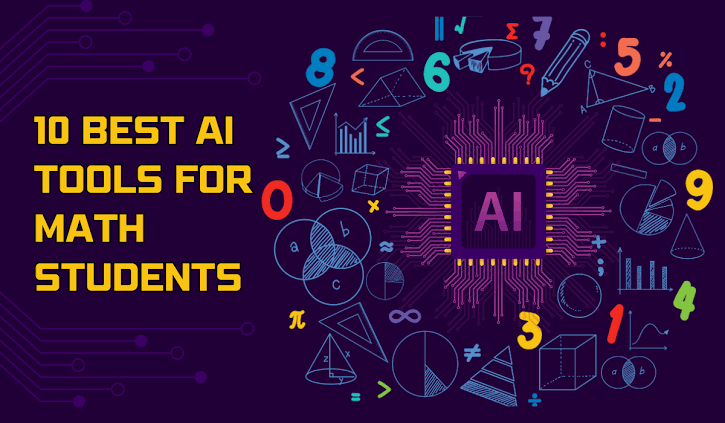
Mathematics is one subject where many students need additional support. AI-powered math assistants can explain problems step by step and help students understand formulas.
Students can use AI for:
- Algebra practice
- Geometry explanations
- Calculus concepts
- Statistics problems
- Mathematical reasoning
A helpful approach is asking AI to explain the process rather than only providing the final answer.
For example:
Instead of:
“Solve this equation.”
Students can ask:
“Explain how to solve this equation step by step.”
This helps students learn the method and apply it to future problems.
AI for Language Learning
Learning a new language requires regular practice, conversation, and feedback. Student AI tools can provide opportunities for language improvement.
AI can help students practice:
- Vocabulary
- Pronunciation
- Grammar
- Conversation skills
- Translation understanding
Students can use AI as a conversation partner to practice communication skills without pressure.
For example, a student learning English can ask AI to have a beginner-level conversation and correct mistakes.
AI for Coding and Programming Students
Technology students can benefit significantly from AI support. Programming often involves solving problems, understanding errors, and learning new concepts.
AI can assist programming students by helping with:
- Explaining code
- Finding programming mistakes
- Understanding algorithms
- Learning programming languages
- Creating practice projects
However, students should avoid depending completely on AI-generated code. Understanding programming logic is more important than simply copying solutions.
A strong programmer uses AI as a learning assistant while developing independent problem-solving skills.
AI for Research and Academic Projects
Research is an important part of higher education. Students often need to collect information, compare ideas, and prepare presentations.
AI can help with:
- Generating research ideas
- Creating topic outlines
- Explaining academic concepts
- Organizing notes
- Summarizing information
Students should always verify important information from reliable academic sources because AI responses may sometimes contain errors.
Good research requires checking facts, understanding different perspectives, and developing original conclusions.
How Student AI Helps Different Types of Students
Every learner has different goals and challenges. Student AI can support students at different educational levels.
Student AI for School Students
School students can use AI to build strong foundations in subjects such as:
- Mathematics
- Science
- History
- Languages
- Computer studies
AI can make lessons more interactive by providing examples, explanations, and practice activities.
For younger students, guidance from parents and teachers is important to ensure AI is used safely and responsibly.
Student AI for College Students
College students often manage complex assignments, research projects, and professional preparation.
AI can help college learners with:
- Academic writing
- Research organization
- Presentation preparation
- Study planning
- Skill development
College students can also use AI to explore career options and learn industry-related skills.
Student AI for University Students
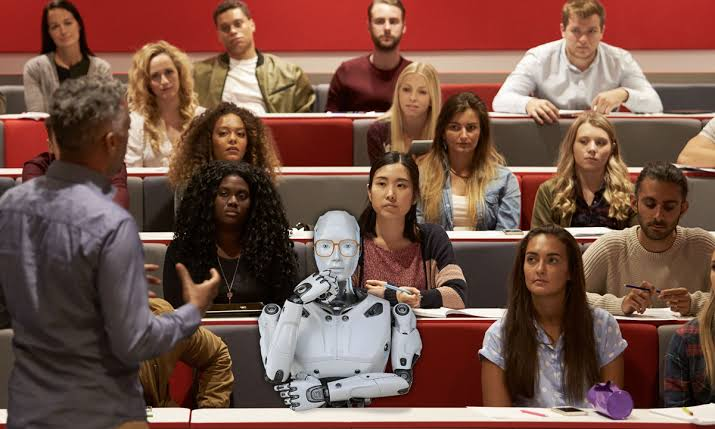
University education requires independent learning and advanced research abilities.
AI can support university students by helping them:
- Understand academic theories
- Review research concepts
- Improve productivity
- Analyze information
- Prepare professional documents
However, university students should maintain academic honesty and follow their institution’s AI policies.
Student AI and Personalized Education
One of the most important advantages of artificial intelligence in education is personalized learning.
Traditional classrooms usually follow a fixed teaching method. However, students have different learning speeds, interests, and abilities.
AI allows education to become more flexible.
For example:
A student who learns quickly can explore advanced topics.
A student who needs more support can receive additional explanations and practice.
A student preparing for an exam can focus on specific weak areas.
This personalized approach can make education more effective and engaging.
The Role of AI in Improving Student Productivity
Many students struggle with managing their time. Between classes, assignments, exams, and personal responsibilities, maintaining productivity can be difficult.
Student AI tools can help improve productivity by assisting with:
Creating Study Schedules
AI can help students design realistic study plans based on deadlines and available time.
A good study schedule can reduce stress and improve consistency.
Organizing Notes
Students collect large amounts of information during classes. AI can help organize notes into summaries, key points, and revision materials.
Managing Tasks
AI productivity tools can help students track assignments, create reminders, and prioritize important activities.
Can Student AI Replace Teachers?
Although AI has powerful educational abilities, it cannot completely replace teachers.
Teachers provide many important human qualities, including:
- Emotional support
- Motivation
- Personal guidance
- Classroom interaction
- Real-world experience
- Understanding of student behavior
AI can provide information and assistance, but teachers help students develop confidence, creativity, teamwork, and social skills.
The future of education is likely to involve cooperation between teachers and AI technology.
Teachers can use AI to improve teaching methods, while students can use AI as an additional learning resource.
How Students Should Use AI Responsibly
Responsible use of Student AI is essential for long-term success.
Students should remember that AI is a tool, not a replacement for learning.
Here are some important guidelines:
1. Understand Before Using
Students should learn concepts instead of depending only on AI answers.
Knowledge comes from understanding, practicing, and applying information.
2. Verify Information
AI can sometimes provide incorrect information. Students should check important facts using trusted educational sources.
3. Maintain Academic Honesty
Students should follow school and university rules regarding AI use.
Using AI for support and learning is different from submitting AI-generated work as personal work.
4. Develop Critical Thinking
Students should question information, analyze ideas, and create their own opinions.
AI should support thinking, not replace it.
The Future of Student AI in Education
Artificial intelligence will continue changing education in the coming years.
Future Student AI systems may provide even more personalized learning experiences through:
- Advanced virtual tutors
- AI-powered classrooms
- Real-time learning feedback
- Personalized educational paths
- Intelligent study assistants
As technology improves, students may have access to learning experiences that are more flexible, interactive, and personalized.
The goal of Student AI is not simply faster education. The goal is better education that helps every learner reach their potential.
Frequently Asked Questions (FAQs) About Student AI
1. What is Student AI?
Student AI refers to artificial intelligence tools designed to help learners with studying, research, writing, problem-solving, and skill development. These tools act as digital learning assistants that provide explanations, feedback, and personalized support to improve the overall learning experience.
2. How can students use AI for studying?
Students can use AI for creating study plans, explaining difficult topics, practicing questions, improving writing, summarizing notes, and preparing for exams. AI helps students learn more efficiently by providing quick support and personalized learning assistance.
3. Is Student AI useful for exam preparation?
Yes, Student AI can help students prepare for exams by creating practice questions, explaining important concepts, organizing revision schedules, and identifying weak areas. However, students should combine AI support with their own study efforts for better results.
4. Can AI replace teachers in education?
No, AI cannot completely replace teachers. While AI can provide information and learning support, teachers offer guidance, motivation, emotional support, and real-world experience that are essential parts of education.
5. Is using Student AI considered cheating?
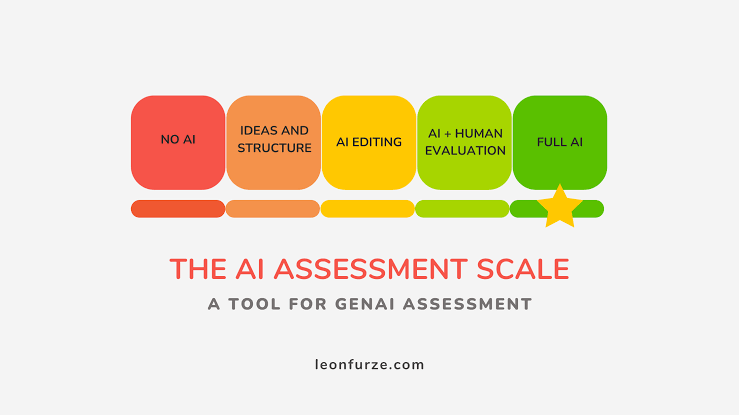
Using Student AI is not necessarily cheating. It depends on how students use it. Using AI for learning, explanations, and feedback can be helpful, but submitting AI-generated work as personal work may violate academic rules.
Conclusion
Student AI is transforming education by making learning more personalized, accessible, and efficient. It helps students understand complex topics, improve skills, and manage their studies. When used responsibly, AI can become a powerful learning partner that supports students in achieving academic success while developing independent thinking and creativity.