
Introduction
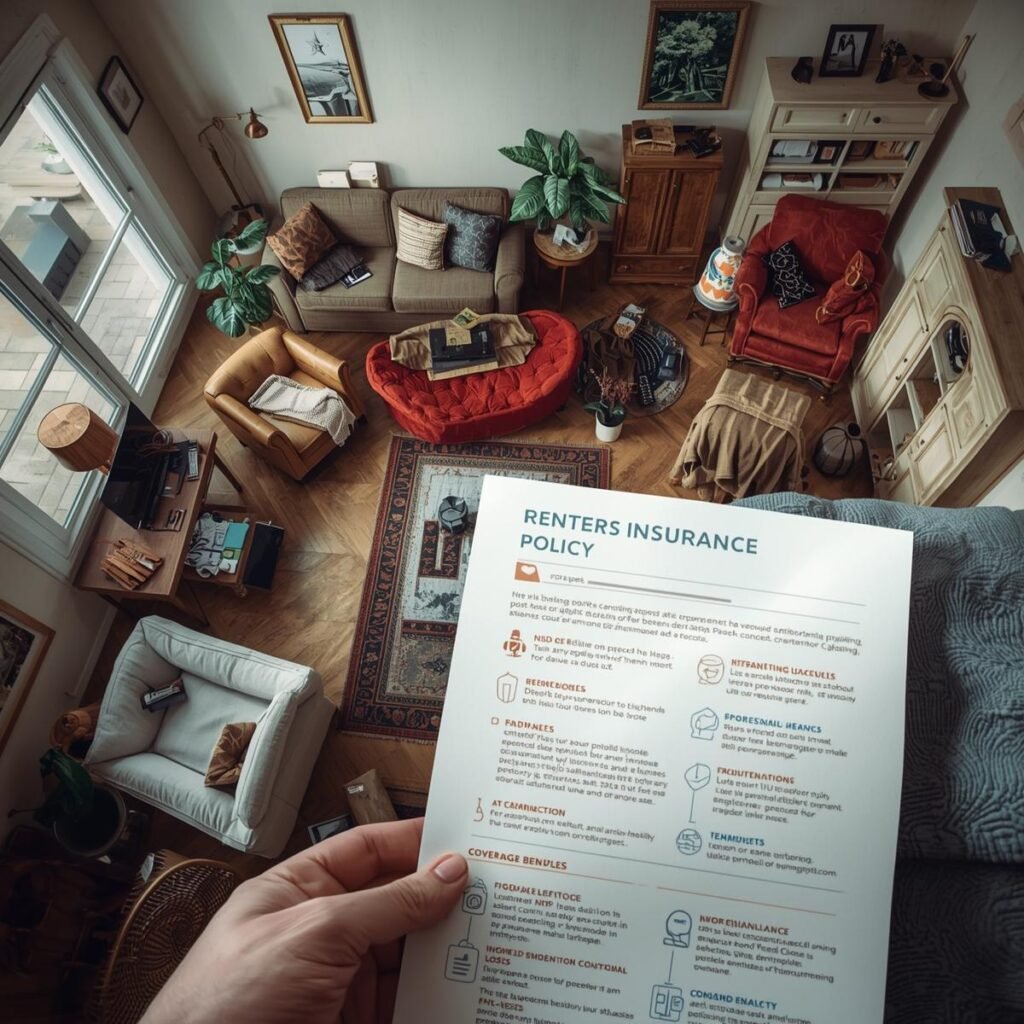
Renters insurance is a type of policy designed to protect tenants and their personal property. Unlike homeowners insurance, it covers personal belongings rather than the building structure. Many renters assume their landlord’s insurance covers them, but landlord policies only protect the building, not tenant possessions. Renters insurance provides financial security in case of theft, fire, water damage, or liability claims.
This article explains the importance of renters insurance, what it covers, and how to select the right policy for your needs.
Why Renters Insurance Is Important
- Protection for Personal Property
- Covers clothing, electronics, furniture, and other belongings.
- Offers replacement cost or actual cash value for damaged or stolen items.
- Liability Coverage
- Protects tenants if someone is injured on the rented property.
- Covers legal fees and medical costs if a tenant is found liable for damage.
- Additional Living Expenses
- Provides funds if the rental unit becomes uninhabitable due to a covered event.
- Helps pay for temporary housing, food, and other living costs.
- Peace of Mind
- Reduces stress about unexpected losses or accidents in the rental property.
What Renters Insurance Covers
- Personal Property
- Theft, fire, smoke, water damage from plumbing or burst pipes.
- Coverage limits may apply; high-value items like jewelry may require additional riders.
- Liability Protection
- Covers legal and medical costs if someone is injured on the property.
- Can include incidents both inside and outside the rented unit.
- Medical Payments to Others
- Pays for minor injuries to guests on your property, regardless of fault.
- Additional Living Expenses (ALE)
- Covers hotel costs, meals, and other living expenses if the unit is uninhabitable.
Who Needs Renters Insurance
- Apartment Renters
- Protects personal belongings and liability within the rented unit.
- Condo and Townhouse Renters
- Complements condo association insurance, which covers only common areas.
- Students and Young Adults
- Provides affordable protection for dorms or off-campus housing.
- People With Valuables
- High-value electronics, furniture, and collectibles can be replaced if damaged or stolen.
How to Choose Renters Insurance
- Assess Personal Property Value
- Make an inventory of belongings with estimated costs.
- Include electronics, furniture, clothing, and important documents.
- Determine Coverage Limits
- Ensure the policy covers total replacement costs for belongings.
- Consider additional riders for high-value items.
- Compare Liability Coverage
- Standard policies offer $100,000–$300,000 liability coverage.
- Increase coverage if needed for added protection.
- Understand Policy Exclusions
- Common exclusions include floods, earthquakes, and intentional damage.
- Consider separate policies or riders for these risks.
- Review Deductibles
- Choose a deductible that balances affordable premiums with manageable out-of-pocket costs.
Benefits of Renters Insurance
- Financial Protection
- Replaces personal belongings in case of covered events.
- Legal Coverage
- Protects against liability claims arising from accidents or injuries.
- Affordable Premiums
- Policies are often inexpensive, averaging $15–$30 per month depending on coverage.
- Peace of Mind
- Tenants can live confidently knowing losses are covered.
Tips for Maintaining Renters Insurance
- Update Your Inventory Regularly
- Add new purchases or valuable items to ensure coverage.
- Keep Documentation
- Store photos, receipts, and appraisals of personal belongings for claims.
- Review Policy Annually
- Adjust coverage based on lifestyle changes or acquisitions.
- Bundle Insurance Policies
- Some providers offer discounts for bundling renters insurance with auto or other policies.
Conclusion
Renters insurance is an essential tool for protecting personal property, liability, and living expenses. It is affordable, flexible, and provides peace of mind for tenants in apartments, condos, or houses. By assessing property value, understanding policy limits, and maintaining an updated inventory, renters can ensure they are financially protected against theft, fire, water damage, and liability incidents. Renters insurance allows tenants to focus on daily life without worrying about unexpected losses.