
Introduction
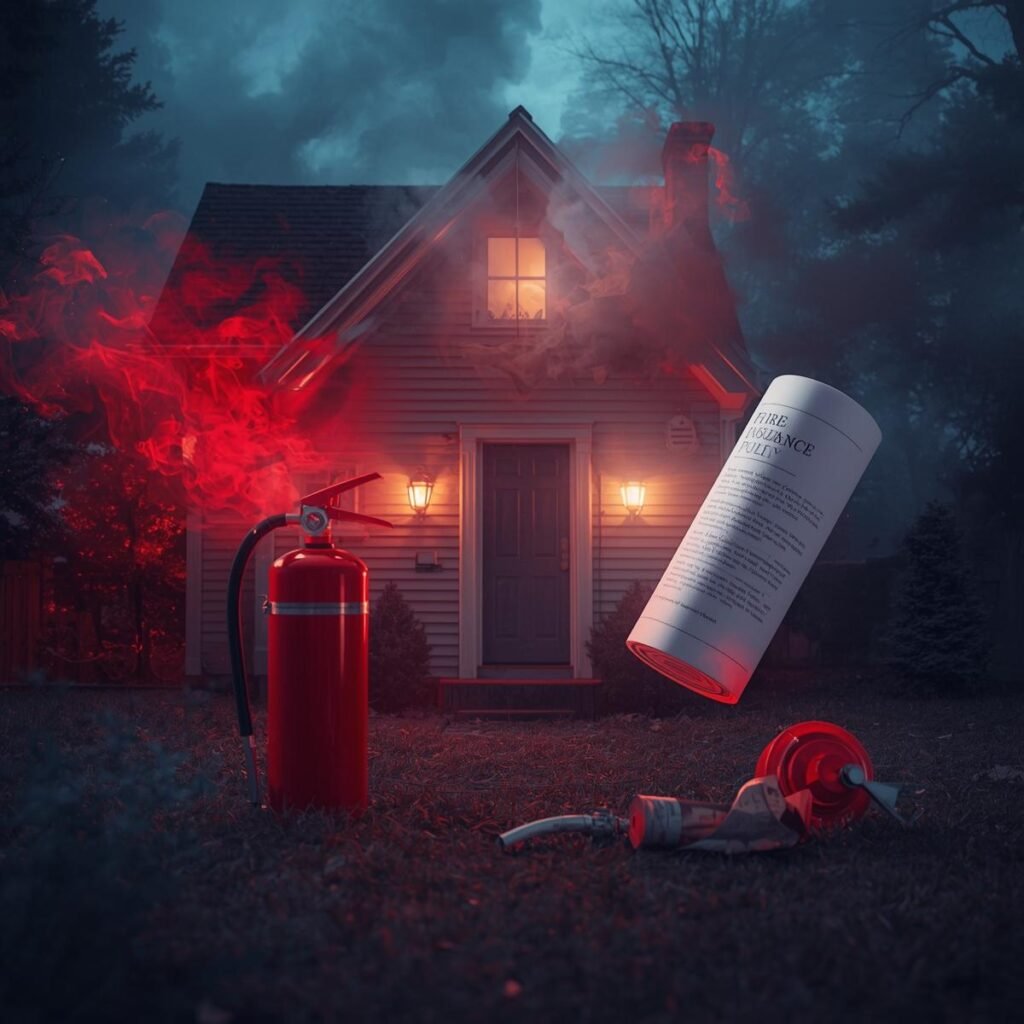
House fires can cause severe property damage, financial loss, and personal hardship. While fire is unpredictable, there are preventive measures homeowners can take to reduce the risk. Fire safety involves preparing your home, understanding fire hazards, and ensuring proper insurance coverage.
This article explains strategies to protect your home against fire damage, minimize risks, and maintain financial security through proper planning.
Understanding Fire Risks
- Common Fire Causes
- Electrical faults, overloaded outlets, and malfunctioning appliances.
- Cooking accidents, unattended candles, or heating equipment.
- Wildfires in high-risk regions.
- High-Risk Areas in the Home
- Kitchens, living areas with electrical devices, and garages.
- Attics or basements where wiring or heating equipment may be outdated.
- Environmental Factors
- Homes in areas prone to wildfires require additional precautions.
- Dry conditions and nearby vegetation increase fire risk.
Preventive Measures for Home Fire Safety
- Install Smoke Detectors
- Place detectors on every floor and in bedrooms.
- Test and replace batteries regularly.
- Maintain Electrical Systems
- Inspect wiring, outlets, and appliances for damage.
- Avoid overloading circuits or extension cords.
- Kitchen Safety
- Never leave cooking unattended.
- Keep flammable items away from stoves and ovens.
- Heating Equipment Safety
- Maintain furnaces, chimneys, and space heaters.
- Keep flammable materials away from heat sources.
- Fire-Resistant Materials
- Use fire-resistant roofing, insulation, and siding in high-risk areas.
- Install spark arrestors on chimneys if in wildfire-prone regions.
- Proper Storage of Flammable Materials
- Store gasoline, paint, and other flammable liquids in approved containers.
- Keep them away from heat sources and out of living areas.
Fire Insurance Coverage
- Standard Homeowners Insurance
- Covers fire damage to the structure of your home and attached structures.
- Also covers personal belongings inside the home.
- Additional Coverage for High-Risk Areas
- Some policies provide limited coverage for wildfires or require endorsements.
- Verify coverage limits and exclusions with your insurance agent.
- Temporary Living Expenses
- Insurance may cover additional living costs if your home is uninhabitable after a fire.
Steps to Protect Your Home Financially
- Review Insurance Policy
- Ensure sufficient coverage for rebuilding costs and personal belongings.
- Update policy after renovations or major purchases.
- Document Home and Valuables
- Take photographs or videos of your property and belongings.
- Keep receipts and appraisals for insurance claims.
- Maintain a Fire Emergency Plan
- Establish escape routes and meeting points for all household members.
- Practice fire drills regularly.
- Install Fire Extinguishers
- Keep them in key areas such as the kitchen and garage.
- Learn proper usage for small fires.
Fire Prevention for Outdoor Spaces
- Maintain Landscaping
- Remove dry leaves, brush, and dead trees near your home.
- Create defensible space if in a wildfire-prone area.
- Safe Outdoor Cooking and Fire Practices
- Use grills and fire pits away from structures and flammable materials.
- Never leave fires unattended.
- Electrical and Utility Safety
- Inspect outdoor wiring and lighting for damage.
- Follow local guidelines for fire-safe power lines.
Tips for Reducing Fire Risk
- Regular Home Inspections
- Schedule periodic inspections for electrical, heating, and structural safety.
- Update Fire Safety Equipment
- Replace smoke detectors and fire extinguishers as needed.
- Educate Household Members
- Teach children and adults about fire hazards and emergency procedures.
- Consider Fire-Resistant Landscaping
- Use fire-resistant plants and materials in outdoor areas.
Conclusion
Protecting your home against fire damage requires a combination of preventive measures, proper insurance, and emergency preparedness. By maintaining electrical systems, practicing kitchen and heating safety, using fire-resistant materials, and ensuring adequate insurance coverage, homeowners can reduce risks and protect their property. Fire safety is an ongoing process that involves awareness, planning, and regular maintenance to safeguard your home and family.