
Introduction
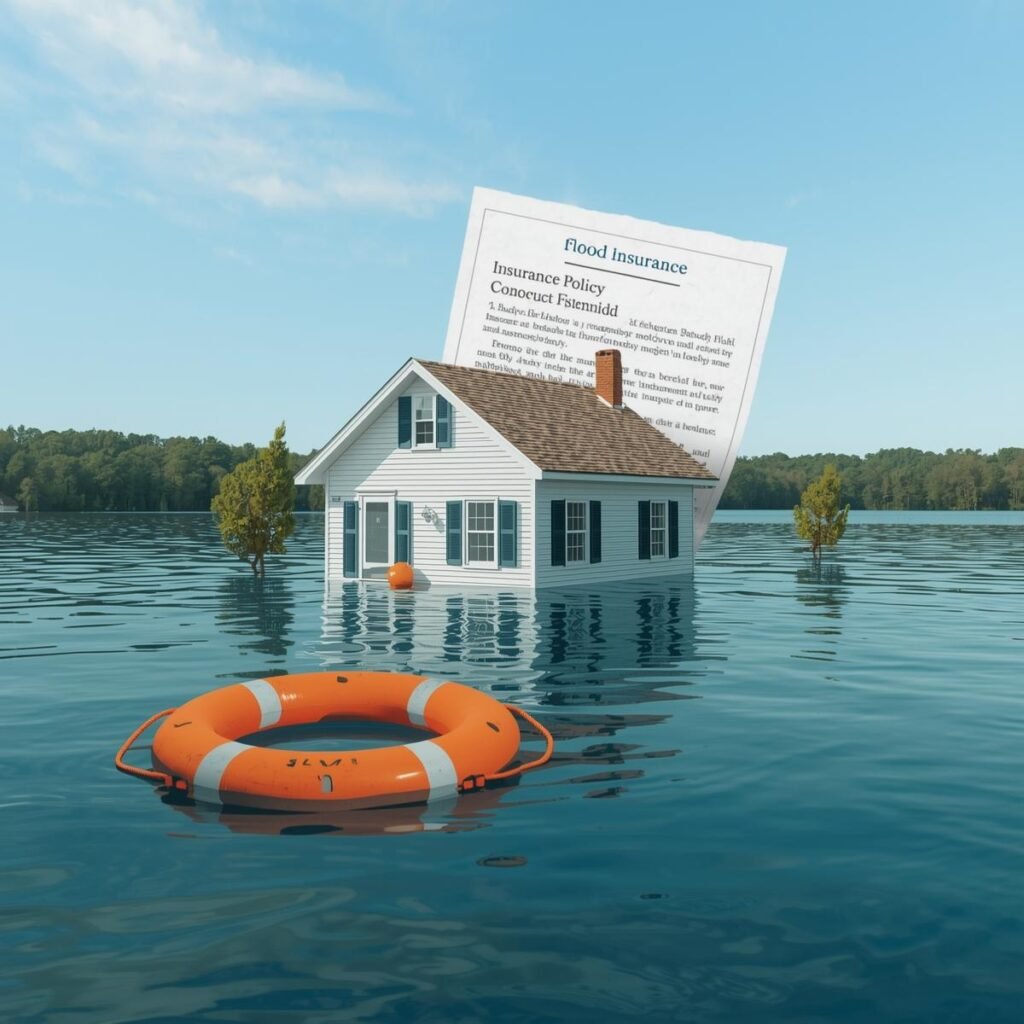
Floods are among the most common and destructive natural disasters. Many homeowners assume their standard property insurance covers all damage, but most policies exclude flood-related losses. Flood insurance is a specialized policy designed to protect your home and belongings from damage caused by rising water, heavy rainfall, or storm surges.
This article explains why flood insurance is necessary, what it covers, and how to determine if your home requires this type of protection.
Understanding Flood Risk
- Geographical Location
- Homes in low-lying areas, near rivers, lakes, or coastlines, are at higher risk.
- Even homes outside high-risk zones can experience flooding during severe weather.
- Weather Patterns
- Heavy rain, hurricanes, and snowmelt can cause flooding.
- Urban development can increase flood risk by reducing natural water absorption.
- Past Flood History
- Properties with previous flood incidents may face higher risk.
- Understanding local flood history helps assess insurance needs.
What Flood Insurance Covers
- Structural Damage
- Damage to the foundation, walls, flooring, and electrical systems caused by floodwater.
- Personal Belongings
- Furniture, electronics, appliances, and clothing damaged by floodwater are often covered.
- Temporary Living Expenses
- Some policies cover additional living costs if your home is uninhabitable.
- Exclusions to Note
- Damage caused by sewer backups, mold, or normal wear and tear may not be covered.
- Check your policy for specific exclusions and limits.
Who Needs Flood Insurance
- High-Risk Area Residents
- FEMA maps categorize areas as high, moderate, or low flood risk.
- Homeowners in high-risk zones are often required to purchase flood insurance if they have a mortgage.
- Low-to-Moderate Risk Residents
- Floods can occur anywhere. Policies are available for all risk levels.
- Affordable premiums make coverage accessible for low-risk areas.
- Renters and Condo Owners
- Flood insurance can cover personal belongings even if the building structure is insured separately.
Benefits of Flood Insurance
- Financial Protection
- Prevents large out-of-pocket expenses after flood damage.
- Peace of Mind
- Reduces worry about potential flood losses.
- Mortgage Requirement Compliance
- Some lenders require flood insurance for properties in designated flood zones.
- Coverage for Unpredictable Events
- Even properties outside high-risk zones can experience flooding from unexpected events.
How to Determine If You Need Flood Insurance
- Check FEMA Flood Maps
- Identify your flood risk zone.
- Assess Property Value and Contents
- Calculate potential losses if floodwater damages your home and belongings.
- Consult Your Insurance Agent
- Determine if existing policies cover flood damage.
- Compare premiums and coverage options for flood insurance.
- Consider Local Flood History
- Review community flood events to evaluate risk.
Tips for Maintaining Flood Protection
- Review Coverage Regularly
- Update your policy after renovations, home additions, or purchases of valuable items.
- Mitigate Flood Risks
- Install sump pumps, maintain drainage, and elevate appliances.
- Document Your Property
- Keep photos and inventory lists of your home and belongings for insurance claims.
- Understand Policy Limits
- Flood insurance may have coverage limits; consider supplemental policies if necessary.
Conclusion
Flood insurance provides essential financial protection for homeowners, renters, and condo owners. Understanding your flood risk, assessing property value, and securing proper coverage ensures that flood-related losses do not create long-term financial hardship. Even if you are not in a high-risk area, unexpected floods can occur, making this specialized insurance a critical part of your property protection plan.